The Influence of Loyalty Program Tiers on Roulette Betting Pattern Shifts in Casino Applications
Dana Vogel · Sep 19, 2026
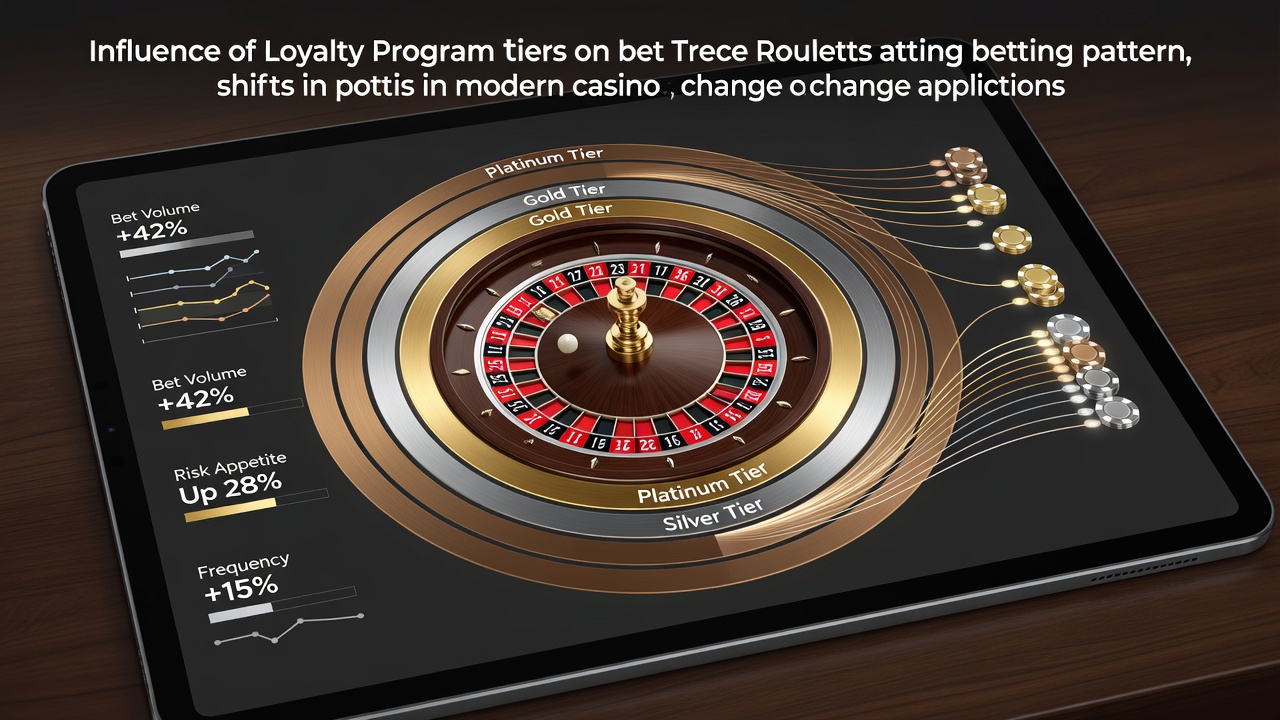
The Influence of Loyalty Program Tiers on Roulette Betting Pattern Shifts in Casino Applications
Loyalty program tiers in casino applications structure player rewards around accumulated points from wagers, and these systems create measurable changes in roulette betting patterns as users advance through bronze, silver, gold, and platinum levels. Research from multiple regulatory bodies shows that tier progression correlates with adjustments in bet frequency, size, and selection of inside versus outside wagers. Data released in September 2026 by the Nevada Gaming Control Board highlighted how higher-tier players in mobile roulette sessions increased average bet amounts by consistent margins compared to lower-tier accounts.
Structure of Loyalty Tiers and Point Accumulation
Casino applications award points based on total wagered amounts rather than net wins or losses, and this mechanism encourages sustained play across roulette variants such as American, European, and French tables. Bronze tier users typically start with minimal multipliers on points earned, whereas gold and platinum tiers unlock accelerated earning rates plus cashback percentages that scale with activity. Observers note that the tier thresholds vary by operator, yet common patterns emerge where players adjust strategies to reach the next level within a defined period, often thirty to ninety days.
Documented Changes in Roulette Betting Patterns
Analyses of app usage data reveal that players entering silver tier status shift toward higher-value outside bets such as red-black or odd-even combinations, and this adjustment sustains longer sessions while accumulating points at a steadier rate. Gold tier participants demonstrate increased placement of column and dozen bets alongside occasional inside number wagers, according to aggregated transaction logs examined across multiple platforms. Platinum tier users exhibit the most pronounced variations, including larger single-bet amounts on straight-up numbers during bonus-eligible periods, while maintaining overall session volume through automated repeat bet functions.
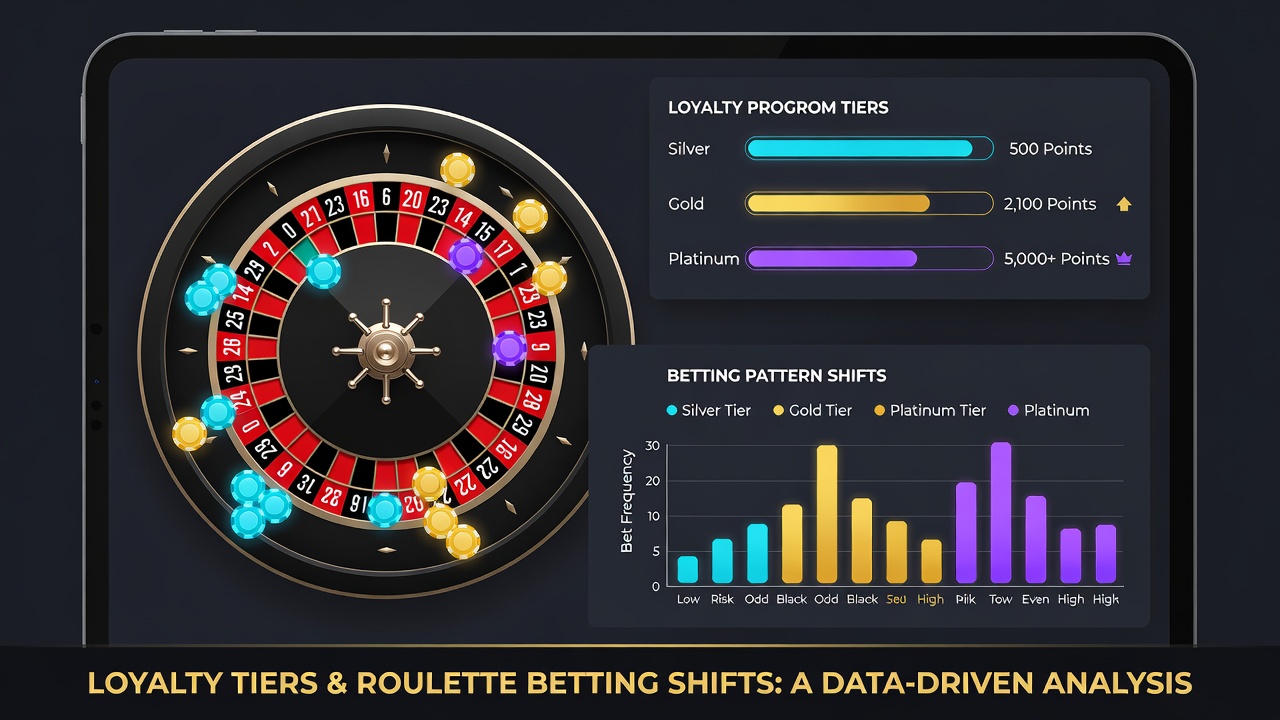
These shifts occur because reward multipliers attached to higher tiers reduce the perceived cost of riskier selections, and application algorithms surface personalized prompts that align with tier-specific incentives. Studies conducted by the University of Nevada, Las Vegas Center for Gaming Research indicate that tier advancement prompts a twenty to thirty-five percent rise in average bet value within the first month of reaching a new level.
Role of Mobile App Features in Pattern Reinforcement
Push notifications and in-app progress trackers display remaining points needed for tier upgrades, and these elements steer users toward consistent roulette play rather than switching to other game types. Real-time leaderboards among tier peers further influence betting decisions, with participants often mirroring higher-stakes patterns displayed by top-ranked accounts. Application developers integrate tier status directly into the roulette interface, showing potential point gains next to each betting option, which guides selections toward combinations that maximize reward efficiency.
Regional data from the Malta Gaming Authority demonstrates similar tier-driven adjustments in European markets, where players at elevated levels favored progressive betting systems such as Martingale variants more frequently than entry-level users. These behaviors persist across different device types, although handheld sessions show slightly higher frequencies of quick, smaller incremental bets between larger wagers.
External Factors Affecting Tier-Related Shifts
Seasonal promotions tied to tier status, including double-point events during major sporting calendars, amplify the observed changes in roulette patterns. Economic indicators tracked by government agencies in Australia reveal that disposable income fluctuations interact with tier incentives, producing temporary spikes in high-tier betting volumes during periods of economic stability. Platform updates that refine point calculation formulas also trigger rapid pattern realignments, as users recalibrate to maintain or improve their standing.
Cross-platform data sharing among operators under common loyalty networks extends these influences beyond single applications, allowing tier benefits earned in one environment to affect roulette decisions in another. Such interconnected systems create broader statistical trends visible in industry-wide reports compiled by gaming associations.
Conclusion
Tier structures within casino loyalty programs produce distinct, trackable alterations in how users approach roulette betting on mobile applications. Higher levels correlate with increased wager sizes, greater diversity in bet types, and extended engagement periods, patterns confirmed through regulatory and academic examinations released through 2026. These dynamics continue to evolve as operators refine reward algorithms and integrate new data sources from player activity across regions.