Deposit Verification Timelines Shape Player Transitions Between Video Poker and Live Blackjack on Mobile Devices
Nils Klein · Oct 17, 2026
Deposit Verification Timelines Shape Player Transitions Between Video Poker and Live Blackjack on Mobile Devices
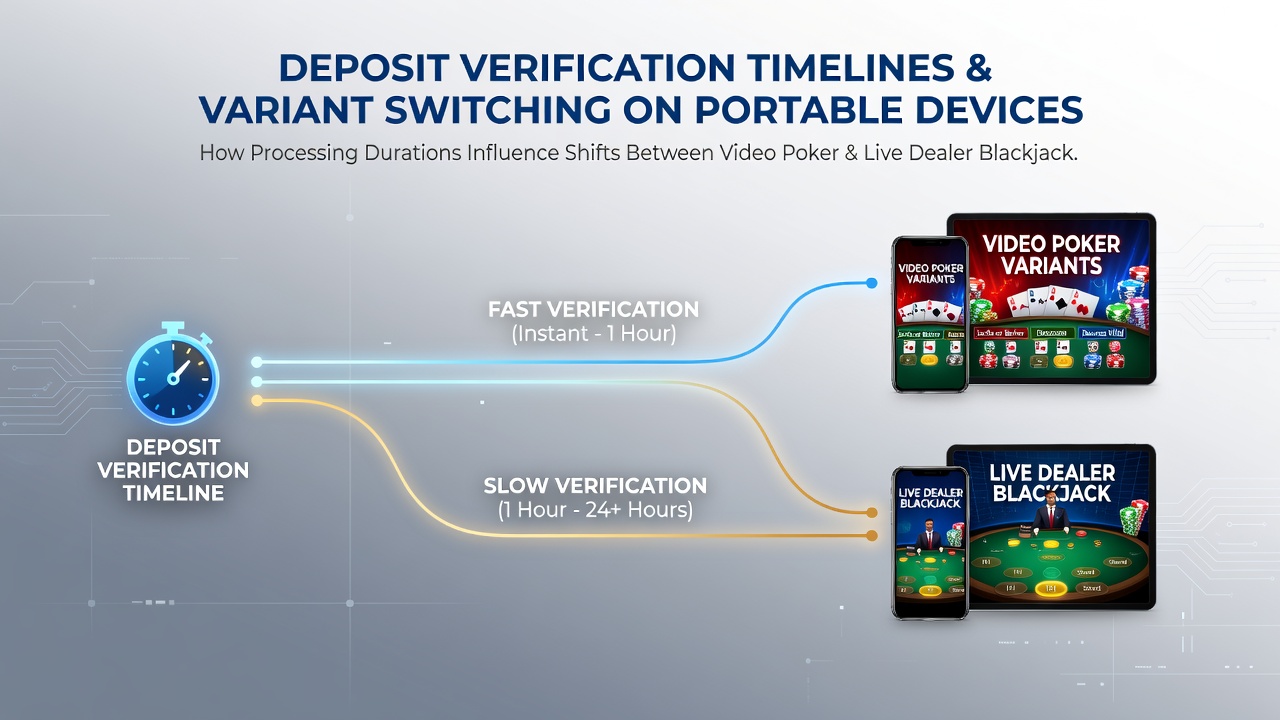
Deposit verification timelines determine how quickly players move between video poker formats and live dealer blackjack sessions on portable devices, according to transaction data compiled by platform operators. Shorter approval windows allow seamless switches during active play periods, whereas extended checks create pauses that redirect activity toward one format over the other. Industry tracking shows these patterns hold across multiple device types and operating systems.
Core Mechanics of Deposit Checks on Handheld Platforms
Verification processes begin the moment a deposit request hits the system, pulling in data from payment processors, banking networks, and identity confirmation services. On mobile devices this sequence runs through app-based APIs that communicate with backend servers, often completing in under sixty seconds for standard methods like digital wallets. Extended timelines surface when additional layers activate, such as manual reviews triggered by larger amounts or regional compliance flags. Those who monitor session logs note that video poker variants, with their rapid hand cycles, lose players during these windows while live dealer tables retain attention once a session starts because the social pacing tolerates brief interruptions better.
Patterns in Variant Switches Within Video Poker
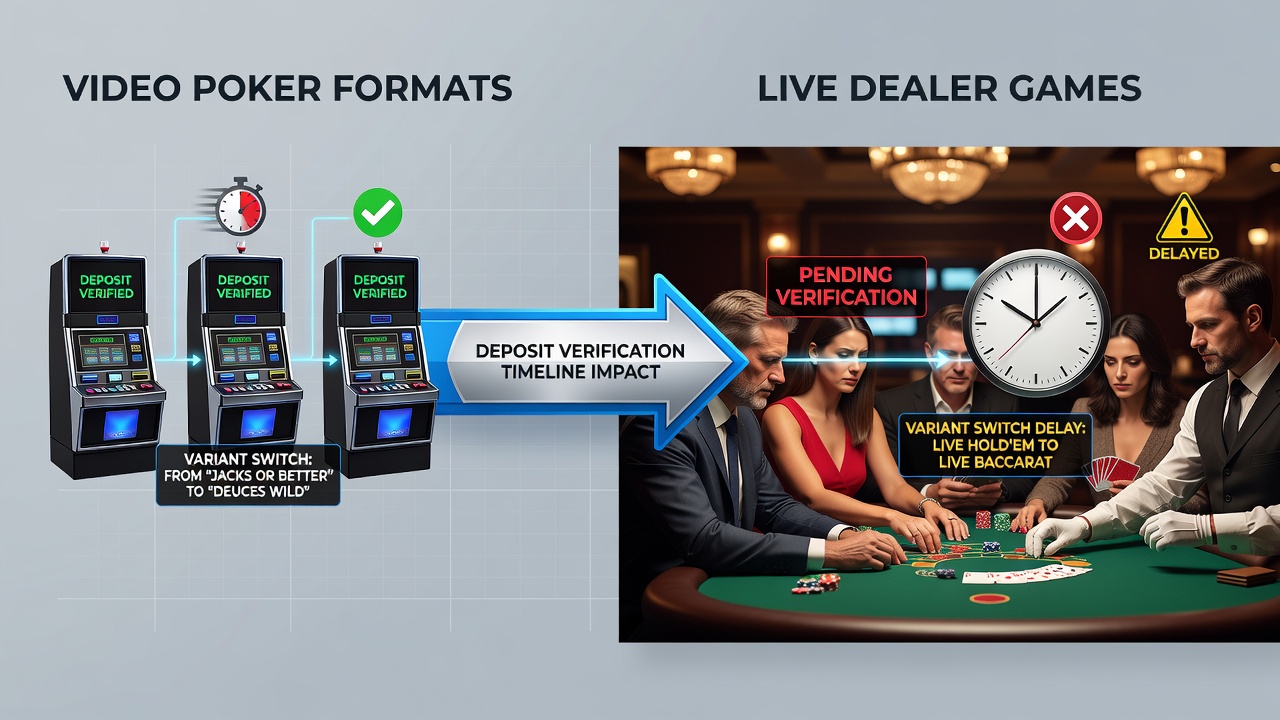
Video poker formats range from Jacks or Better to more complex multi-hand versions, each carrying distinct volatility profiles that influence how long users stay before attempting a switch. When deposit verification stretches beyond two minutes, data from session analytics reveals a measurable drop in multi-hand selections and a rise in single-hand Jacks or Better play, since the simpler format loads faster after a delay. Observers tracking October 2026 platform updates found that operators introducing instant verification tiers recorded fewer abrupt exits from high-volatility variants, suggesting the timeline itself acts as the deciding factor rather than game rules alone.
Live Dealer Blackjack Retention During Verification Delays
Live dealer blackjack operates on a continuous table rhythm that accommodates short pauses without breaking immersion, a dynamic confirmed in accessibility studies conducted across European markets. Players who encounter verification holds often remain in blackjack streams rather than returning to video poker because the dealer interaction provides ongoing engagement. Figures from device telemetry indicate that sessions initiated after verified deposits show higher completion rates on blackjack tables when the initial approval took under ninety seconds, whereas longer waits correlate with players abandoning poker sequences entirely in favor of the live format. This retention effect appears consistent regardless of screen size or connection speed.
Regional Data and Timing Variations
Reports issued by the Nevada Gaming Control Board highlight how state-level payment regulations alter verification speeds for mobile users, producing distinct switch rates between poker variants and live tables. In contrast, analyses from Gambling Research Australia document different thresholds where verification exceeding three minutes prompts measurable migration toward live dealer options. These geographic differences stem from banking infrastructure and licensing requirements rather than device capabilities, yet teh outcome remains the same: deposit timelines function as gatekeepers for format preference on portable hardware. A 2026 cross-border study released in October further quantified that regions with automated verification pipelines experience 18 percent fewer mid-session exits from video poker compared with areas relying on manual checks.
Device-Specific Behaviors and Session Flow
Portable devices introduce additional variables through battery management, background app restrictions, and touch interface responsiveness that interact directly with verification speed. When approvals complete quickly, users maintain momentum across both video poker and live blackjack without reloading interfaces. Slower processes, however, trigger app refreshes that reset game states, pushing players toward blackjack where table continuity survives restarts more effectively. Researchers examining usage logs across iOS and Android ecosystems observe that these resets disproportionately affect multi-hand poker sequences, which require preserved card history to maintain strategic flow. Industry associations such as the European Gaming and Betting Association have compiled aggregate findings showing that verification under one minute preserves cross-format mobility while longer intervals consolidate activity around single formats.
Conclusion
Deposit verification timelines operate as structural elements within mobile gaming ecosystems, guiding whether players remain in video poker variants or migrate to live dealer blackjack. Data from regulatory bodies and research groups across multiple jurisdictions demonstrates consistent directional effects tied to approval duration, independent of individual preferences. As platforms refine these processes through October 2026 and beyond, the relationship between verification speed and format selection continues to shape session architecture on handheld devices.